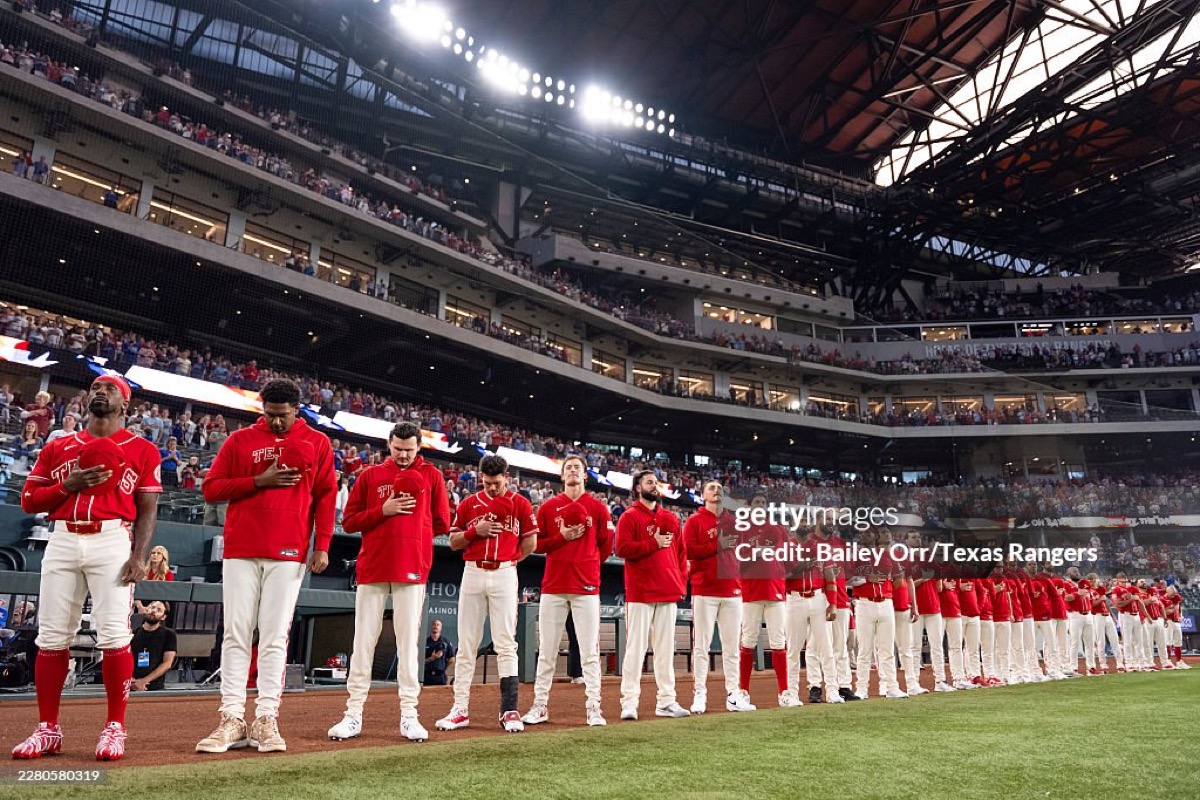
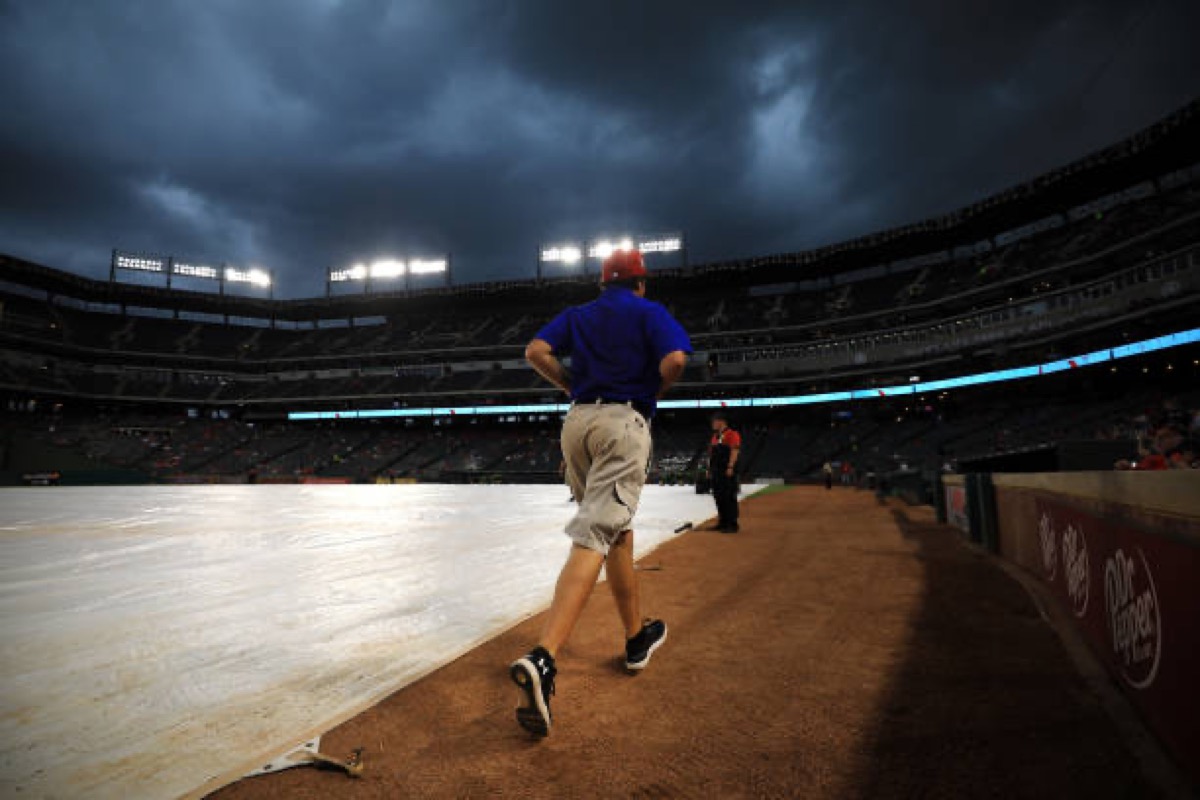
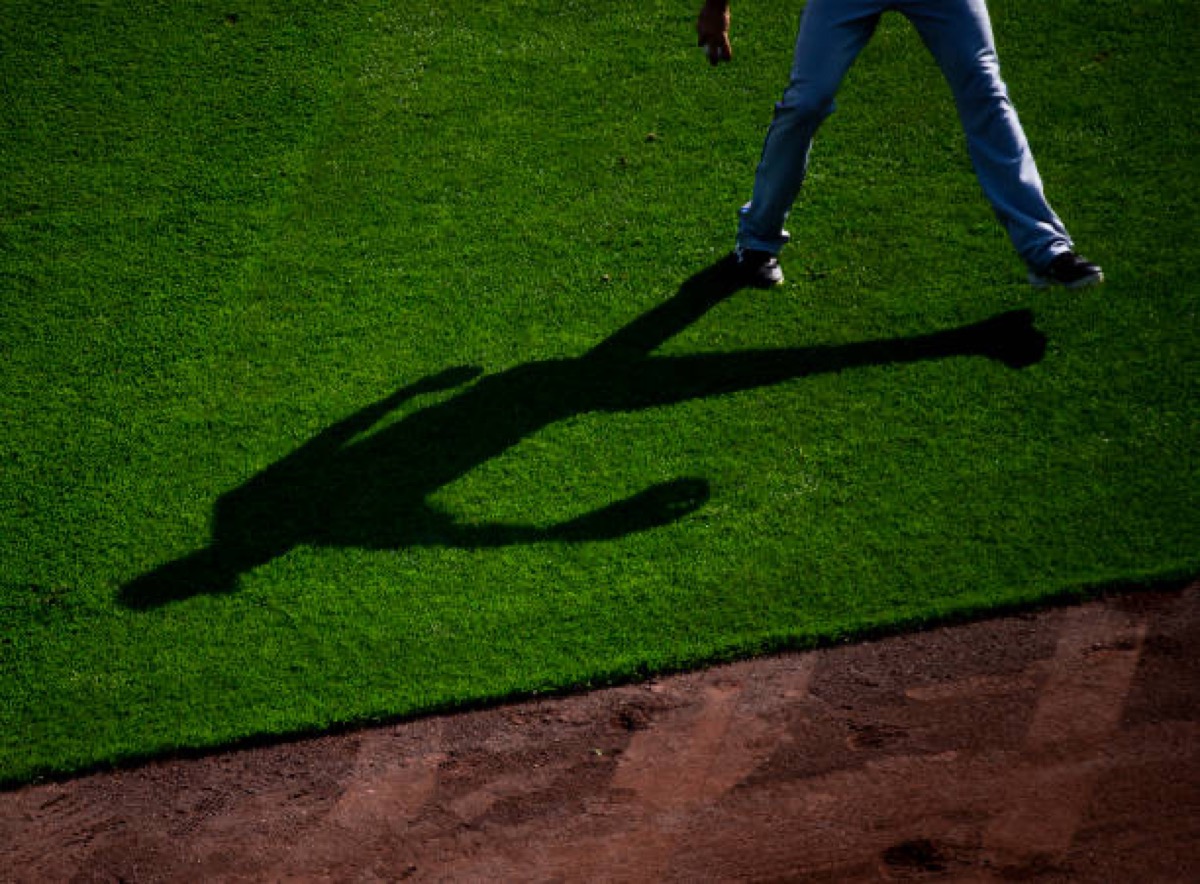
Research · Tribal Marketing + Insider Photography · 2026

How culture brands build cults,
and shoot from inside.

Two linked studies for the Buzzer × Rangers work: the tribal-marketing playbook streetwear uses to build belonging, and the photography grammar action-sports culture uses to make images feel raw, close, and earned. The what, the how, and — the part that matters — the why.

13 marketing tactics10 photo techniques18 brand dossiers14 magazines55 reference images
The through-line

Both sell the same thing: membership in a tribe with a secret.

Streetwear doesn't sell clothing and culture photography doesn't sell a game. Both sell belonging — and both work by proving you were inside when the outsider wasn't. Every marketing tactic below makes an outsider feel the wall and an insider feel chosen; every photographic technique collapses the distance between viewer and subject to zero. The mechanism is the same: proximity is what reads as truth.

Part I — Tribal marketing

The playbook — 13 tactics.

Each is a mechanism for manufacturing belonging. Named examples link to the source.

01

The drop as ritual

What

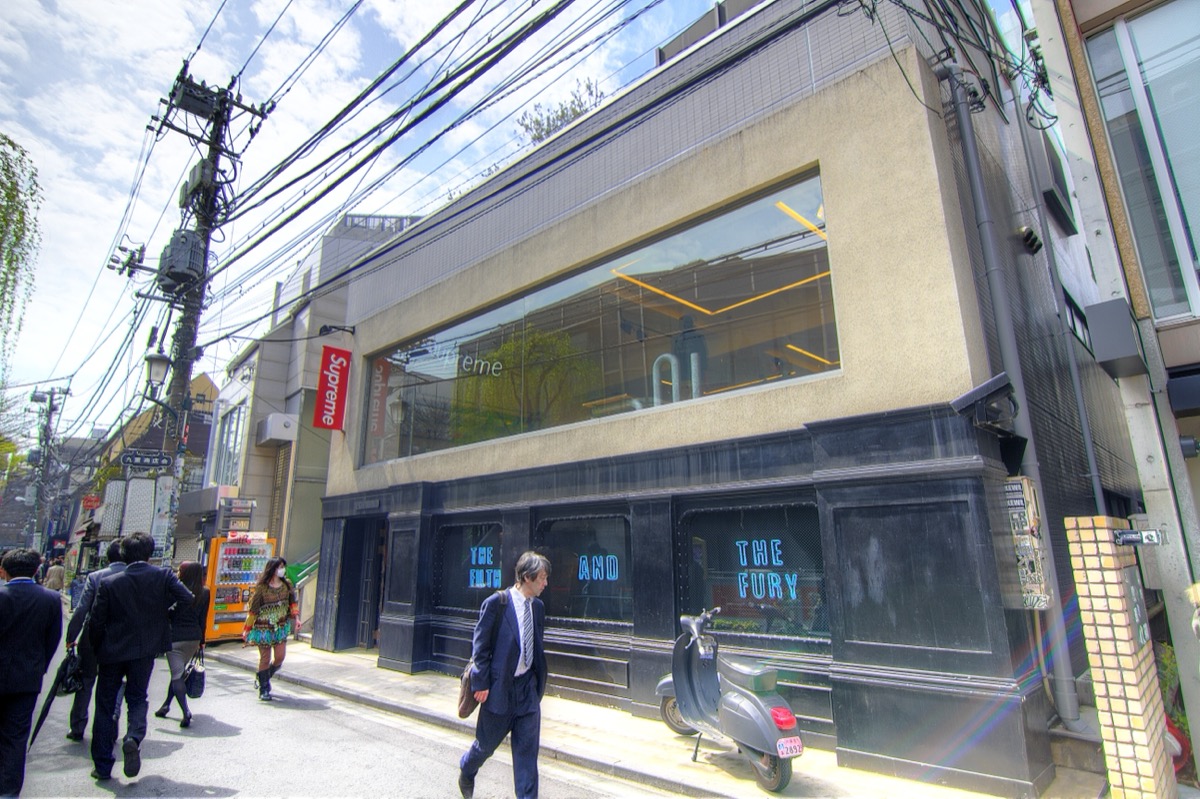
Fixed-time, fixed-quantity releases (Supreme's Thursday 11am), selling out in seconds — artificial scarcity converts a product into an event.

How

Announce the date, not the quantity. Cap supply below demand on purpose. The sellout is the marketing — a “sold out” screenshot travels further than the product.

Why it works

Scarcity manufactures effort-justification: you camped/refreshed, so you value it more, and the ones who got it form an in-group defined by enduring the ritual. The queue is a public initiation.
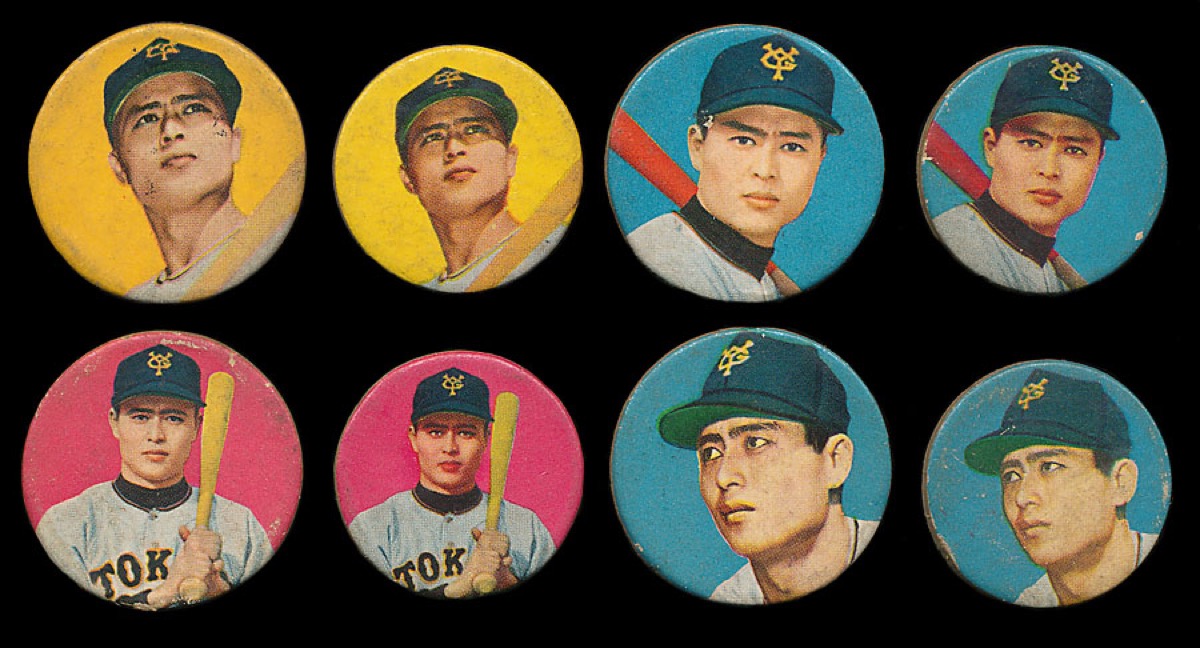
Supreme box-logo hoodies (~$168 retail → $450–$10,000 resale) ↗
02

Guerrilla location drops

What

No store, no site — a GPS pin dropped on Instagram hours before. Fans race across a city to a car park or van.

How

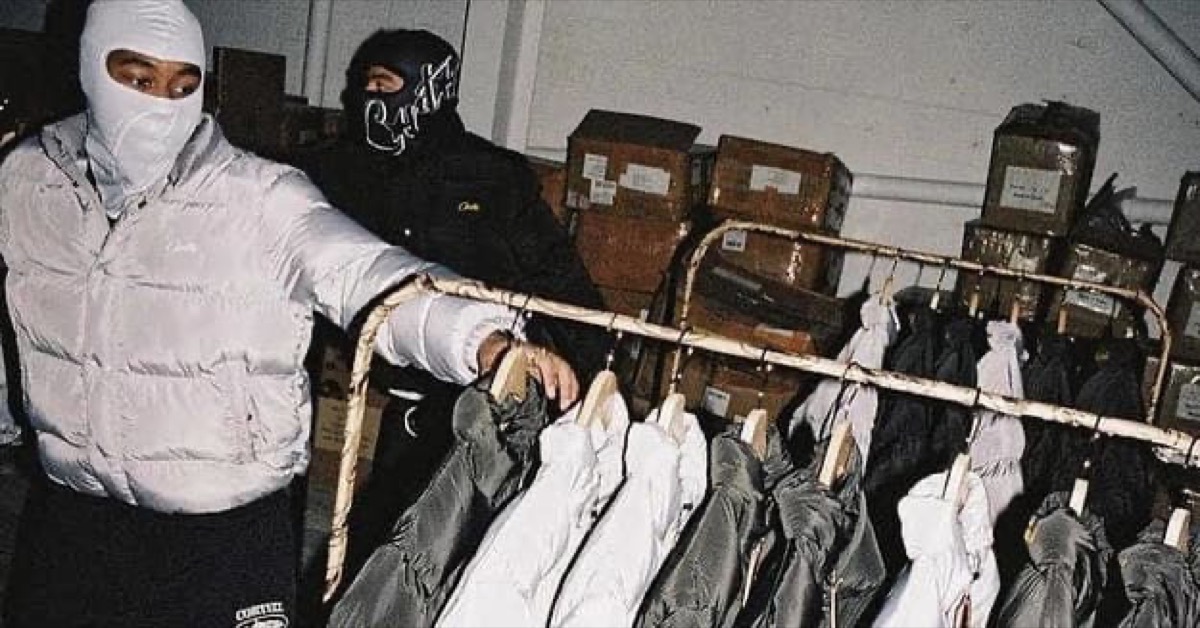
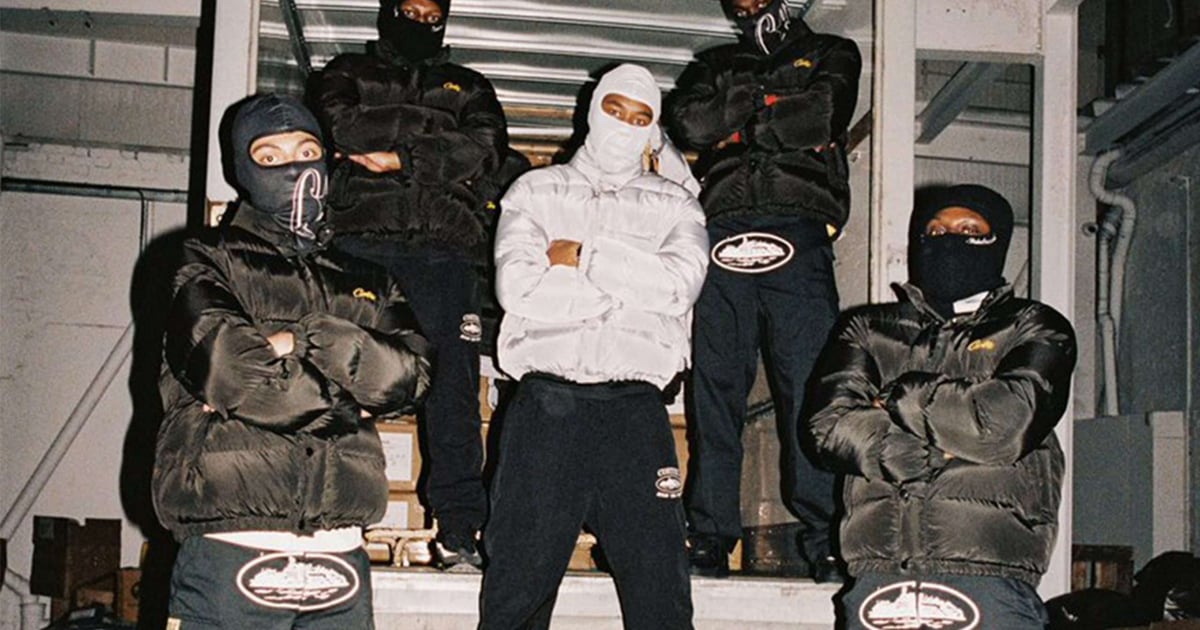
Post a location + instruction the day before, show up with limited stock. Corteiz's “Bolo Exchange”: trade a Moncler/North Face/Supreme jacket for one of 50 Bolo puffers (traded coats donated to a shelter). The 99p drop: cargos for 99p, ~3,000 people, “bring exact change.”

Why it works

The chase is a shared trauma-bond and a physical map of the tribe — you see the others who came. FOMO becomes bodies in a street; the charitable/absurd twist gives the tribe a story to retell.

Corteiz “Da Great Bolo Exchange,” Wormwood Scrubs ↗
03

Anti-marketing mystique

What

Refuse to explain, advertise, or PR. Private accounts, password-gated sites, deleted posts, no captions. Silence reads as confidence.

How

Corteiz ran a locked Instagram so following was itself an application; Supreme rarely comments; Hidden.NY built influence as an anonymous account that never speaks in a brand voice.

Why it works

Withholding triggers curiosity and projection — the audience does the meaning-making, so they feel ownership. Refusing to sell you signals the brand isn't desperate, which paradoxically makes you want in.

Corteiz's locked IG / Alcatraz secrecy ↗
04

Logo as membership card

What

A mark that means nothing to outsiders and everything to insiders. Recognition is the reward.

How

Supreme box logo (Futura Heavy Oblique, lifted from Barbara Kruger); Corteiz's Alcatraz + “RTW”; Chrome Hearts' gothic cross. Small, coded, no explainer.

Why it works

Costly-signal + tribal recognition: the logo lets members identify each other on the street — a nod, not a billboard. Illegibility to outsiders is the point; the wall is the value.

Supreme box logo — “the most valuable rectangle in streetwear” ↗
05

Collab as cosign

What

Two brands' audiences fuse for one capped object; each lends the other legitimacy.

How

Supreme × Louis Vuitton, ALD × New Balance (so credible Teddy Santis became NB's Made-in-USA creative director), Stüssy × Nike. The collab is capped, so it's also a drop.

Why it works

A cosign is social proof from a trusted elder — the partner vouches for you to their tribe, and creates novel in-group knowledge members trade like currency.

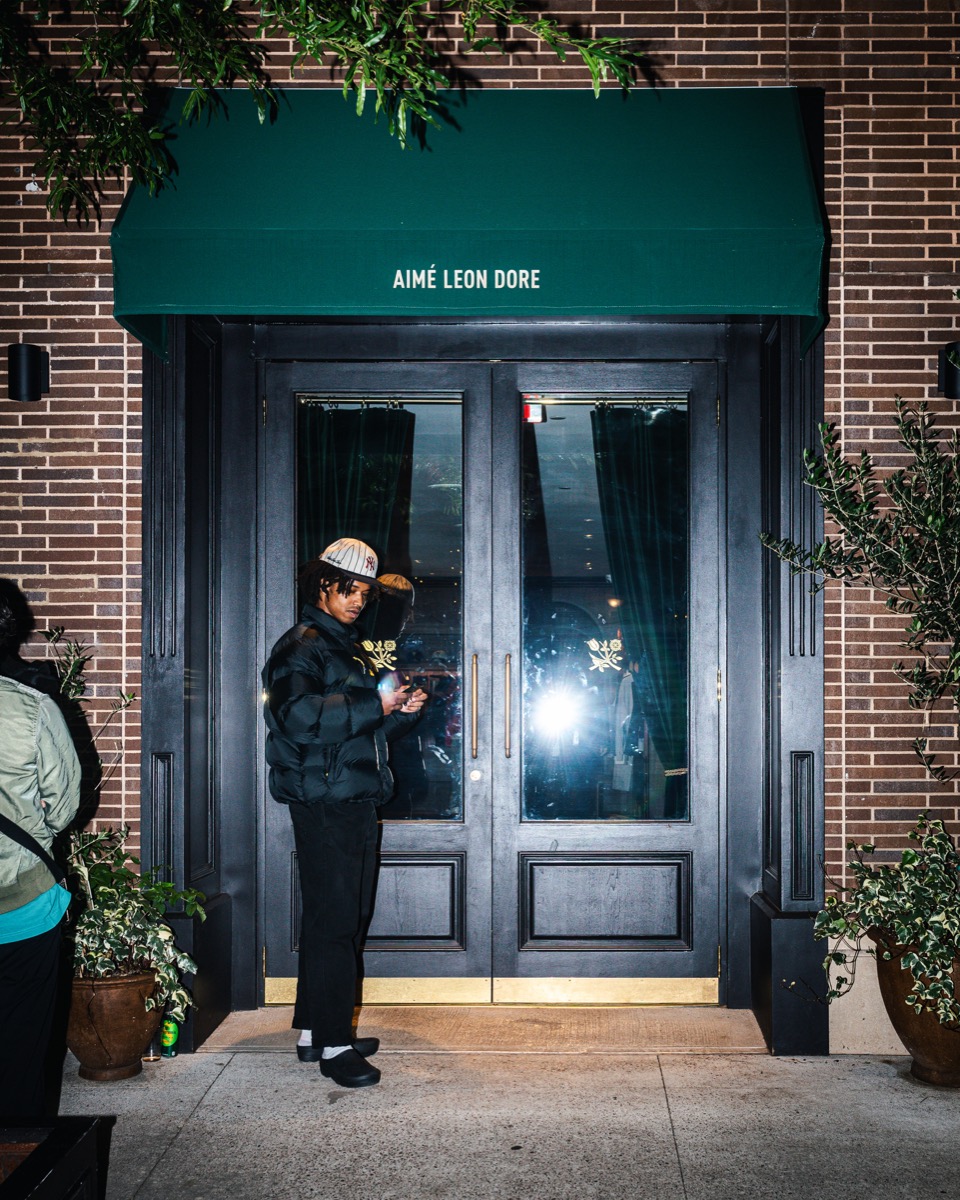
Aimé Leon Dore × New Balance ↗
06

Founder cult & lore

What

A charismatic founder-figure and an origin myth the tribe repeats.

How

Corteiz's Clint419 as anonymous-then-revealed folk hero; Nigo (BAPE); Tremaine Emory (Denim Tears). The founder embodies the values so you buy into a person, not a company.

Why it works

Humans bond to people and stories, not corporations. A founder myth gives the tribe a prophet, a canon, and quotable commandments (“Rules The World”). Membership becomes discipleship.

Clint419 / Corteiz mythology ↗
07

Community as product

What

The people, events, and shared documentation ARE the thing being sold; product is a souvenir of belonging.

How

Places+Faces started as a hip-hop photo Tumblr and became a brand by photographing its own community (A$AP Mob, BBK) and throwing pop-ups it then photographed — a self-documenting loop.

Why it works

When the community is the product, buying merch is buying into the family photo. Members aren't customers, they're contributors — loyalty becomes unpaid evangelism.

Places+Faces ↗
08

The repost economy

What

Fans generate content; the brand curates and reposts, making being reposted a status prize.

How

Fit pics, unboxing, queue videos. The brand's grid becomes a wall of member photos, not studio shots. Getting reposted = social capital; fans compete to earn it.

Why it works

Reposting is micro-anointing — public recognition from the tribe's authority. It turns the audience into a free, endless, credible content engine and makes the aesthetic a participatory game.

Places+Faces community photography at scale ↗
09

Editorial world-building

What

Seasonal imagery that sells a world and a life, not garments — shot like a film, not a catalog.

How

Aimé Leon Dore's “The World's Borough” shoots real Queens delis, courts, and vintage-car lots with heritage-brand reverence; the café-store extends the world. i-D and Dazed set the grammar.

Why it works

A world is aspirational identity you can move into — you buy a version of yourself who belongs in that scene. Consistent world-building builds a coherent tribe aesthetic members self-sort into.

Aimé Leon Dore lookbooks + store ↗
10

Credible heritage

What

Anchoring a brand in a specific real culture/history — with the standing to do it.

How

Denim Tears prints the cotton-wreath on Levi's 501s to memorialize slavery and the Gullah Geechee experience; Patta roots in Amsterdam's Surinamese diaspora. The reference is lived, not appropriated.

Why it works

Credible heritage gives the tribe meaning and moral weight — membership signals values, not just taste. It's the difference between a trend (disposable) and a movement (defensible).

Denim Tears × Levi's cotton-wreath ↗
11

Gatekeeping as belonging

What

Price or access barriers used deliberately to filter the tribe — sometimes high (Chrome Hearts), sometimes absurdly low as an inverse flex (Corteiz 99p).

How

Chrome Hearts sells $1,000+ jewelry with almost no advertising and limited stockists; Corteiz's 99p cargos gatekeep by effort and knowledge, not money. Both filter for people who get it.

Why it works

A barrier is a membrane — it keeps the tribe feeling exclusive and self-selecting. Price-as-signal (“only real ones queue”) makes the purchase a loyalty test. The gate is what people pay for.

Corteiz 99p drop (inverse gatekeeping) ↗
12

IYKYK restraint

What

Deliberate under-communication — no logos, no explanation, blink-and-miss references that reward insiders.

How

Hidden.NY's anonymity; Online Ceramics' cryptic Grateful-Dead-adjacent iconography; CPFM's hand-drawn nonsense-that-means-something. The brand never spells it out; decoding is the fun.

Why it works

Restraint creates earned knowledge — members feel smart, insiders feel separated from tourists, and shared decoding builds intimacy. The quietest brands often have the loudest cults.

Online Ceramics / Hidden.NY ↗
13

Self-aware irony

What

Brands that mock hype while selling it, giving members permission to be in on the joke.

How

Anti Social Social Club's nihilist name + slow-shipping-as-lore; Palace's absurdist British copy; Brain Dead's collage-punk irreverence.

Why it works

Irony is a shibboleth — getting the joke proves you're native, not a poser. It also inoculates against “you're just hype” criticism by saying it first.

Palace / Anti Social Social Club ↗
Part I — Back-pocket roster

The brands.

Positioning + signature tactic for the reference file. Full dossiers (27 brands) in STREETWEAR-RAW.md.

Supreme

The archetype; downtown-NY skate brand → global hype institution. The Thursday drop + box logo as membership card.

Corteiz

London's anti-establishment guerrilla brand, “RULES THE WORLD.” GPS-pin drops, trade-ins, 99p stunts, locked IG. The gold standard.

Palace

British skate brand, absurdist humor. Self-parodying copy, Tri-Ferg logo — proof a distinct voice carries a community.

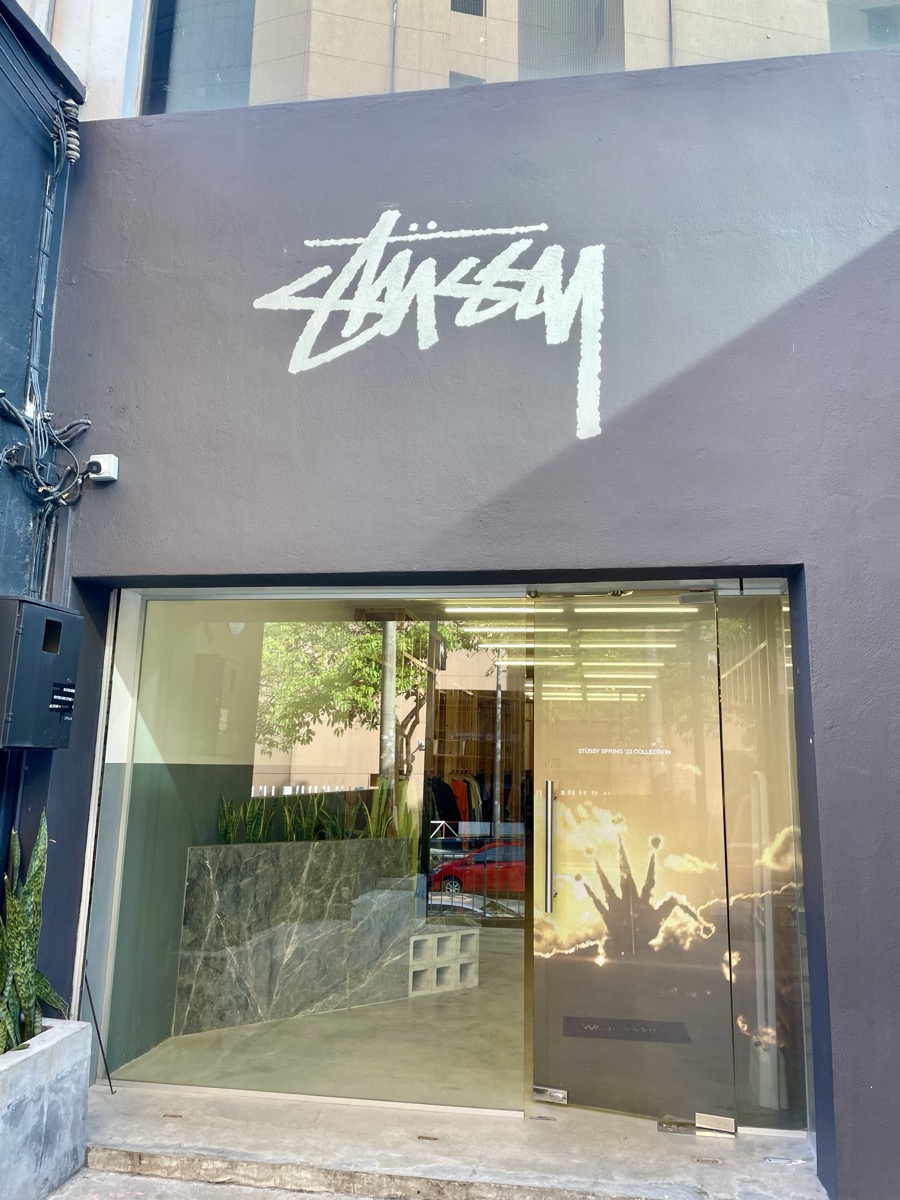
Stüssy

The original streetwear brand. The “International Stüssy Tribe” — hand-picked local tastemakers worldwide; the first influencer network.

Highsnobiety / Hidden.NY

Culture-media authority + anonymous curation account. Taste-making by curation; anonymity as authority.

Aimé Leon Dore

Teddy Santis's refined Queens-prep lifestyle brand. Cinematic lookbooks + café-store world-building + New Balance cosign.

Places+Faces

Community-photography brand from a hip-hop Tumblr. The model for community-as-product — the audience IS the content.

Denim Tears

Tremaine Emory's history-as-fashion label. Cotton-wreath storytelling — heritage/meaning as a loyalty moat.

Kith

Ronnie Fieg's premium retail-brand + monthly programs. Relentless collab cadence + experiential retail as ritual.

Cactus Plant Flea Market

Cryptic, hand-drawn, ultra-limited. Extreme IYKYK — mystique alone sustaining a cult.

Fear of God

Elevated basics + luxury tier. A two-tier belonging ladder (ESSENTIALS → Main line) — casual fan to superfan.

Brain Dead

Kyle Ng's collage-punk collective. Multi-medium community over a single-product brand.

Trapstar

London, covert “It's A Secret” ethos. Mystery marketing + celebrity co-signs in a UK-guerrilla lineage.

Bape

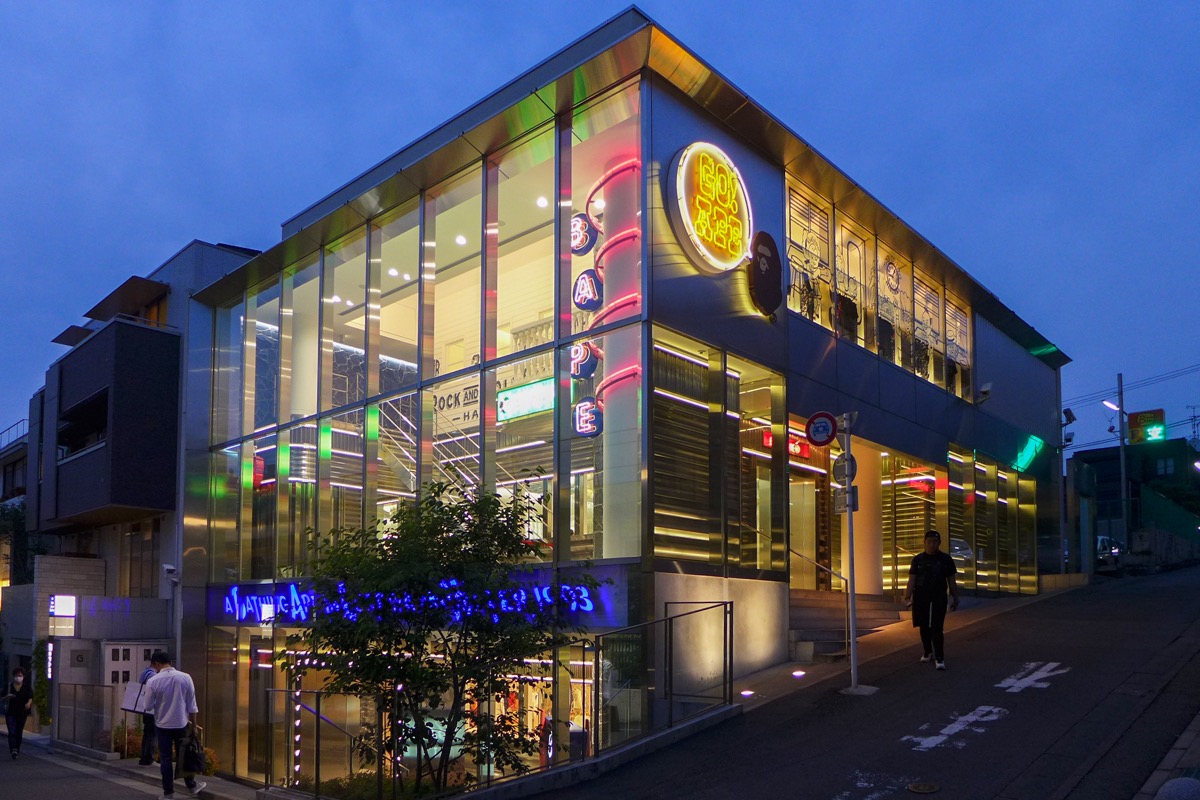
Nigo's Harajuku camo empire. Iconography-as-uniform + hip-hop co-signs (Pharrell, Kanye).

Carhartt WIP

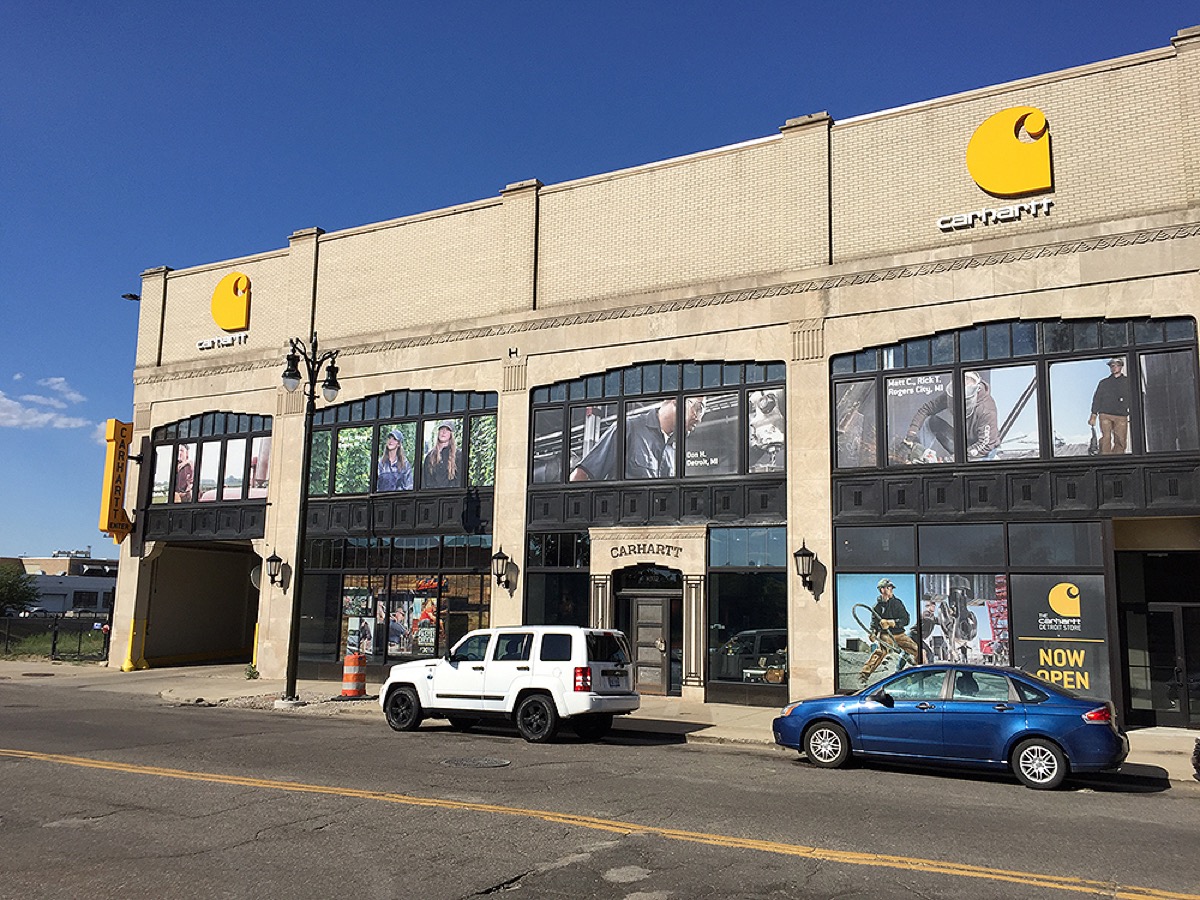
Workwear heritage reworked for skate. Authenticity/durability as the anti-hype loyalty base.

Patta

Amsterdam institution rooted in Surinamese/Caribbean diaspora. Deep local roots + a real running club — the community-club model.

Chrome Hearts

High-luxury cult brand, near-zero advertising. Silence + price as the ultimate gatekeeping.

Noah

Brendon Babenzien's ethics-forward skate brand. Publishing real values builds a loyal, less-churny tribe.

Part I — Reference media

The magazines.

Culture/fashion/sport titles whose editorial grammar the brands borrow — worth keeping on hand.

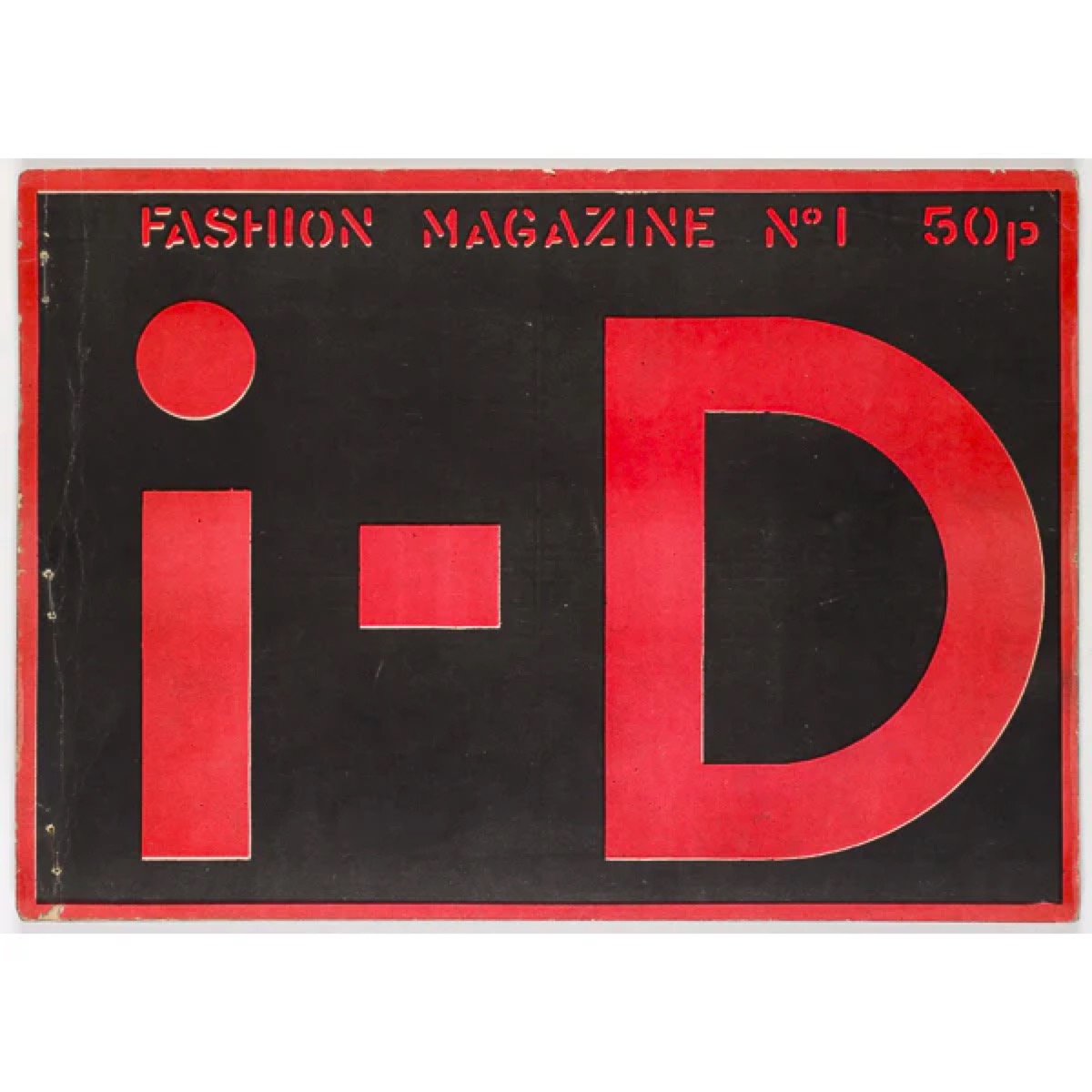
i-D

Youth-style bible (1980). Winking-face logo, “straight up” street portraits, DIY energy.

Dazed

UK youth-culture; provocative editorial, emerging-talent focus.

Highsnobiety

Streetwear/culture media + commerce; tastemaker authority bridging hype and luxury.

Hypebeast

The hype news wire; fast drop/collab coverage, HBX commerce.

Complex / ComplexCon

Hip-hop/streetwear media → IRL festival-marketplace. Media-to-event blueprint.

032c

Berlin art/fashion quarterly; bold red-block logo, its own merch cult.

Thrasher

Skate bible (1981). Raw punk layout; a magazine logo that became a status badge.

Slam

Basketball culture; treats a sport as culture, not scores — directly relevant.

Mundial

Football culture; the human side of the game over match analysis.

Victory Journal

Independent sport-and-culture journal; literary, beautifully printed.

Racquet

Tennis culture; stylish, literary take on the lifestyle.

SSENSE editorial

Commerce-as-editorial; essays elevating product to culture.

Grailed / Drop

Resale + community archive knowledge; deep brand-lore explainers.

Sabukaru

Tokyo subculture archaeology; niche cultural depth + archive storytelling.

Part II — Insider photography

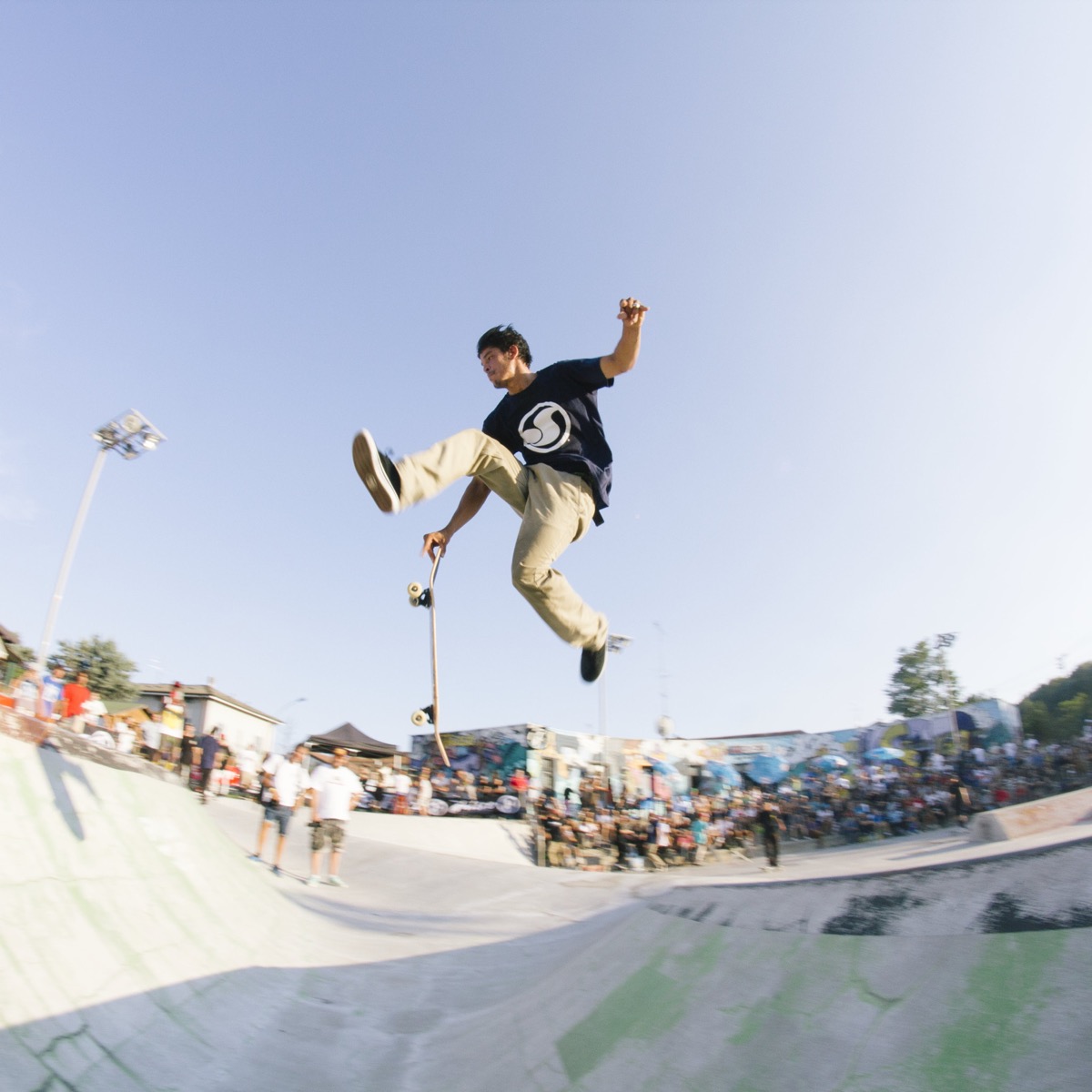
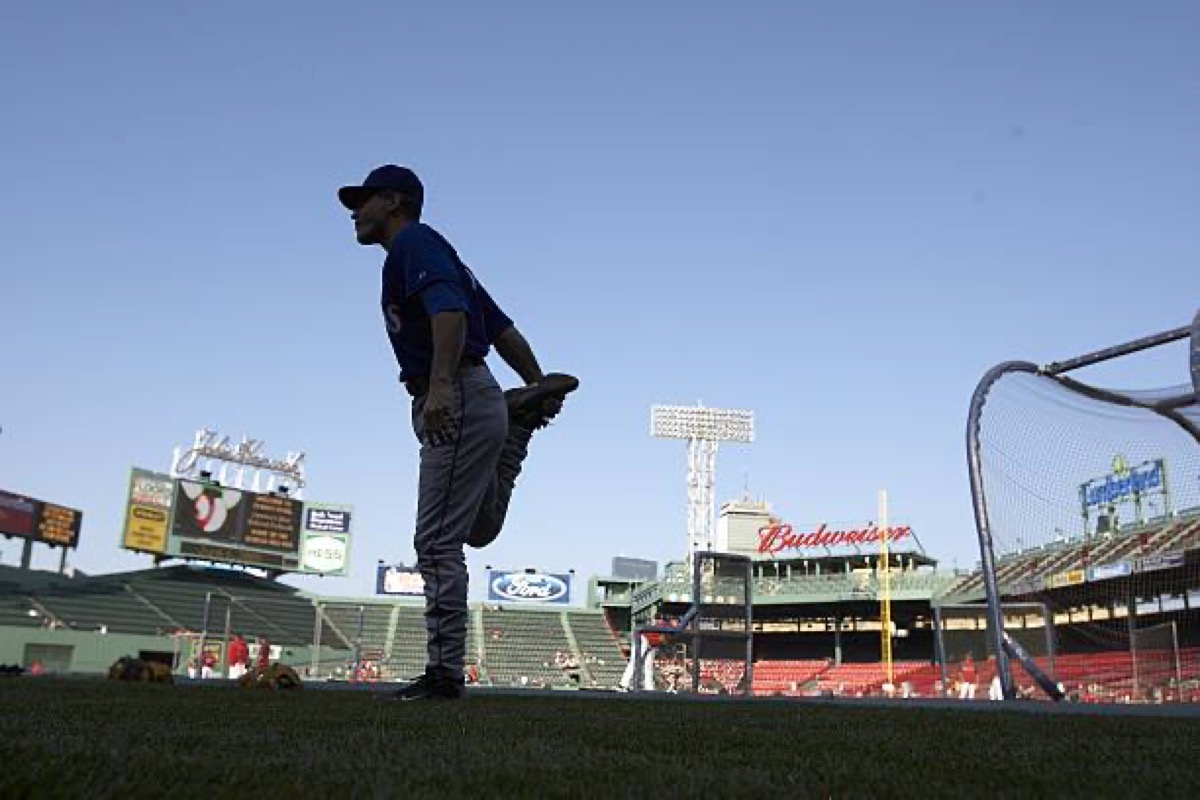
The fisheye, answered directly: the unattainable angle.

A broadcast long lens gives an angle any spectator could occupy — the view from the stands, the camera well, your couch. It's the view of someone watching. The skate fisheye gives an angle no spectator could ever occupy: eight inches off the ground, a foot from the board, moving at the skater's exact speed, tilted up into the trick as it explodes. To get that frame a human had to be in the path of the trick — crouched, running, willing to get hit.

The image is proof of membership. You're not seeing the trick; you're seeing it from inside the only spot a fellow skater would ever stand. The distortion — bent horizon, ballooned foreground — is the honest signature of that closeness. You literally cannot fake it with a long lens from across the street.

That's the strategic key: broadcast photography sells a game; insider photography sells a tribe. The rest of Part II is the toolkit.

Part II — The grammar

10 techniques.

What / how / why / origin, each with a source. The reference set below shows the grammar on sport.

01

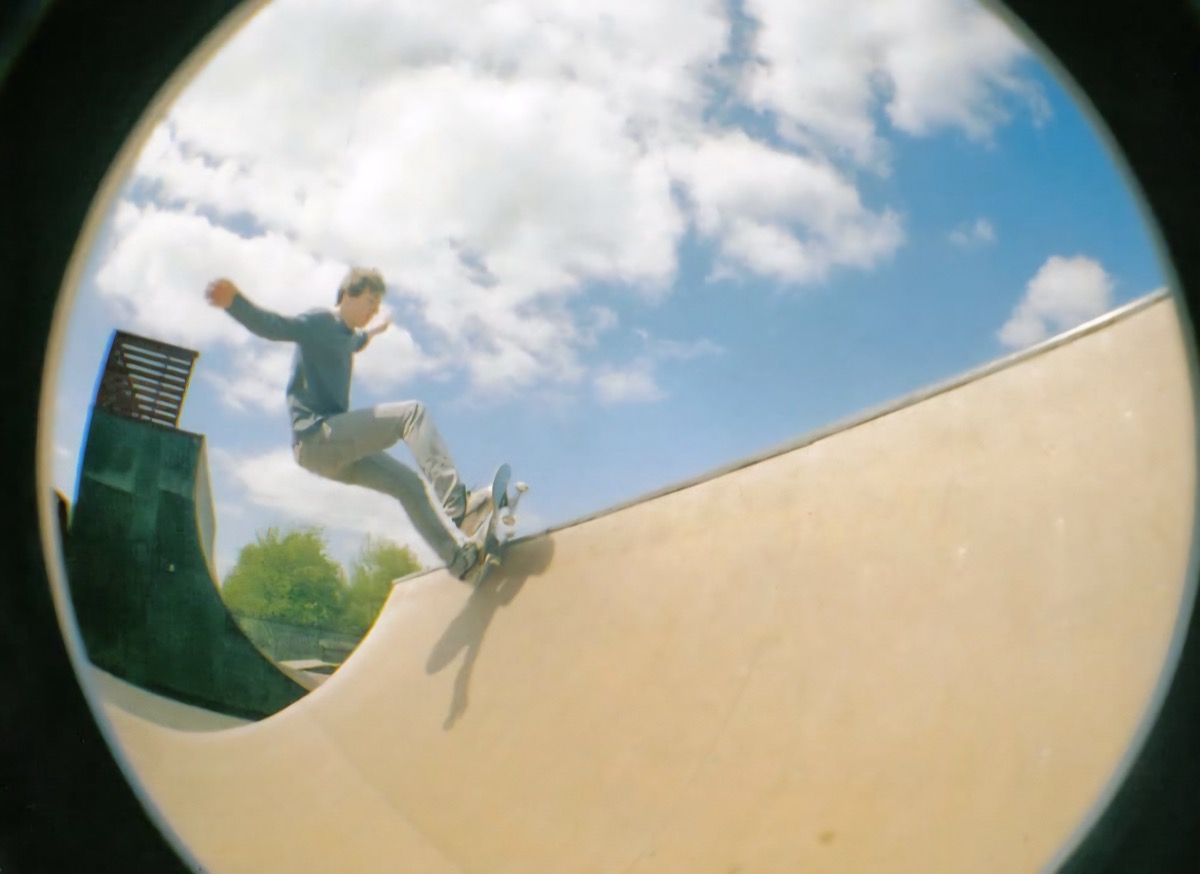
Fisheye proximity

What

An ultra-wide (7–16mm) held inches from the subject; everything — take-off, landing, the whole spot — bends into one curved frame with near-infinite depth of field.

How

Get a foot or less away. In video the VX1000 + Century fisheye became the standard rig; many filmers keep the black lens-ring vignette visible on purpose — the “we were really there” badge.

Why it works

Long lens shows what a trick looked like from away; fisheye shows what it felt like from inside. The distortion is a truth-marker of closeness that can't be faked at distance.

Origin

1980s Thrasher stills; canonized by Spike Jonze's Video Days (1991). Marcopoulos, Atiba Jefferson, Ty Evans.

Atiba Jefferson on shooting fisheye ↗
02

Follow / line filming

What

Fisheye on a board or bike, the filmer chasing the skater through a whole line in one unbroken take — riding switch, backwards, weaving obstacles.

How

The camera operator is an athlete too, matching speed and path so the viewer's body is carried through the run. One continuous take, no tripod.

Why it works

Kinesthetic empathy — the viewer's inner ear rides along. Not a record of the line; a shared performance. The shake and near-misses prove a human, not a rig, earned this.

Origin

Skate/blade “lines” tradition; Josh Stewart's Static series.

Reappraisal of fisheye videography — Quartersnacks ↗
03

Direct flash on grain

What

Hard on-camera flash on film/point-and-shoot: blown highlights, black shadow halo, grain, subject popped out of a black background. The 90s-party look.

How

Bare flash straight at the subject, close, no diffusion. Ambient world falls away; subject snaps forward with emergency clarity. Fast, unposed, in the middle of things.

Why it works

Flash says something happened rather than was observed. Imperfection reads as honesty — the polished frame looks like advertising; the flashed grainy frame looks like a memory. The aesthetic of access.

Origin

Nan Goldin / Terry Richardson → Mark Gonzales → Places+Faces (2013).

Places+Faces as hip-hop's paparazzi — SSENSE ↗
04

Low-angle hero

What

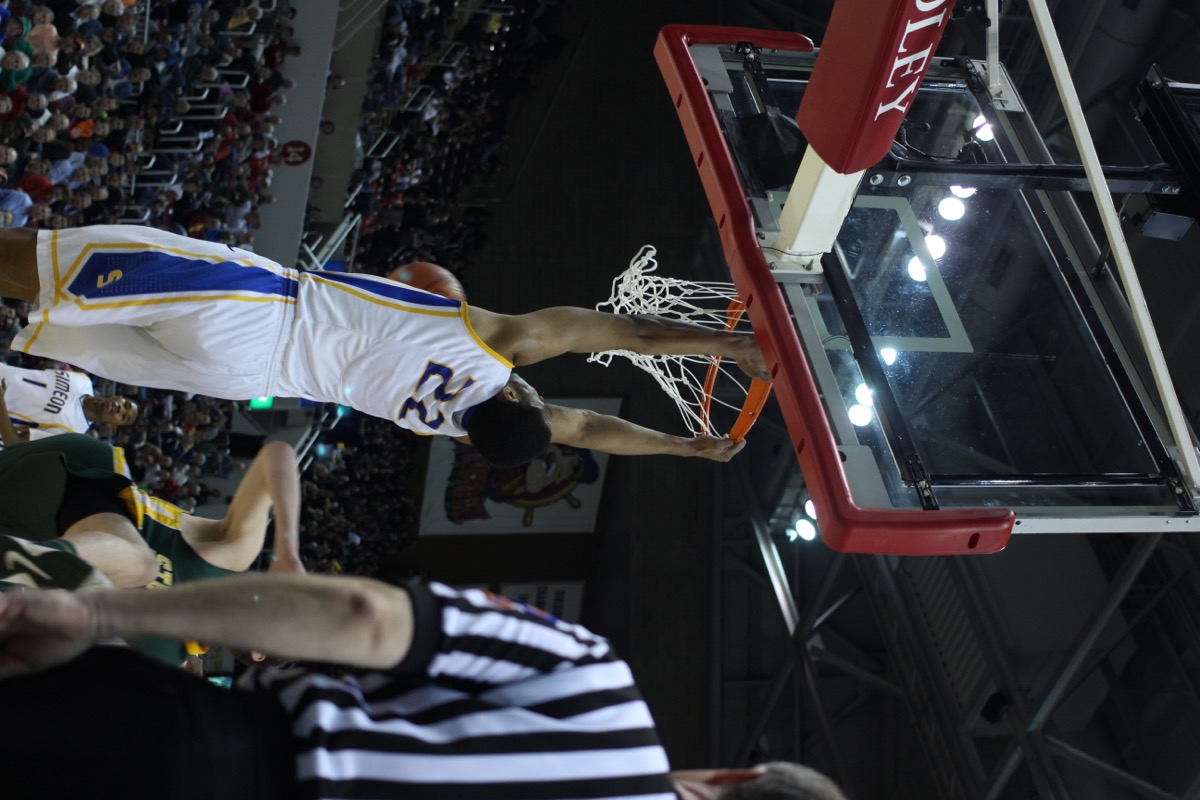
Camera at or below ground looking dramatically up; the athlete towers, fills the sky, blots the horizon.

How

Body on the floor or a remote-triggered camera flat on the deck with a wide lens. The lower and wider, the more monumental.

Why it works

We read up-angle as power, authority, statue-scale — the grammar of heroic sculpture. It converts an athlete into a monument and the viewer into a small, looking-up witness. Reverence encoded in geometry.

Origin

Sports-photo staple (Neil Leifer, Walter Iooss); universal in skate and basketball baseline remotes.

Worm's-eye technique — Shotkit ↗
05

POV / body-mount

What

Helmet-, chest-, or board-mounted camera delivering the athlete's literal field of view — the drop, the wave face, the rail rushing up.

How

Rugged wide/fisheye action-cam fixed to the body; hands and board edge visible to anchor “this is my view.” Stabilized just enough to stay legible, not sterile.

Why it works

The most literal embodiment available — the viewer becomes the athlete, adrenaline included. It collapses the gap between watching and doing to zero.

Origin

Surf/moto POV; GoPro (founded by a surfer) mainstreamed it across every action sport in the 2010s.

Fisheye/action-cam as the “how it felt” view — Surfer Today ↗
06

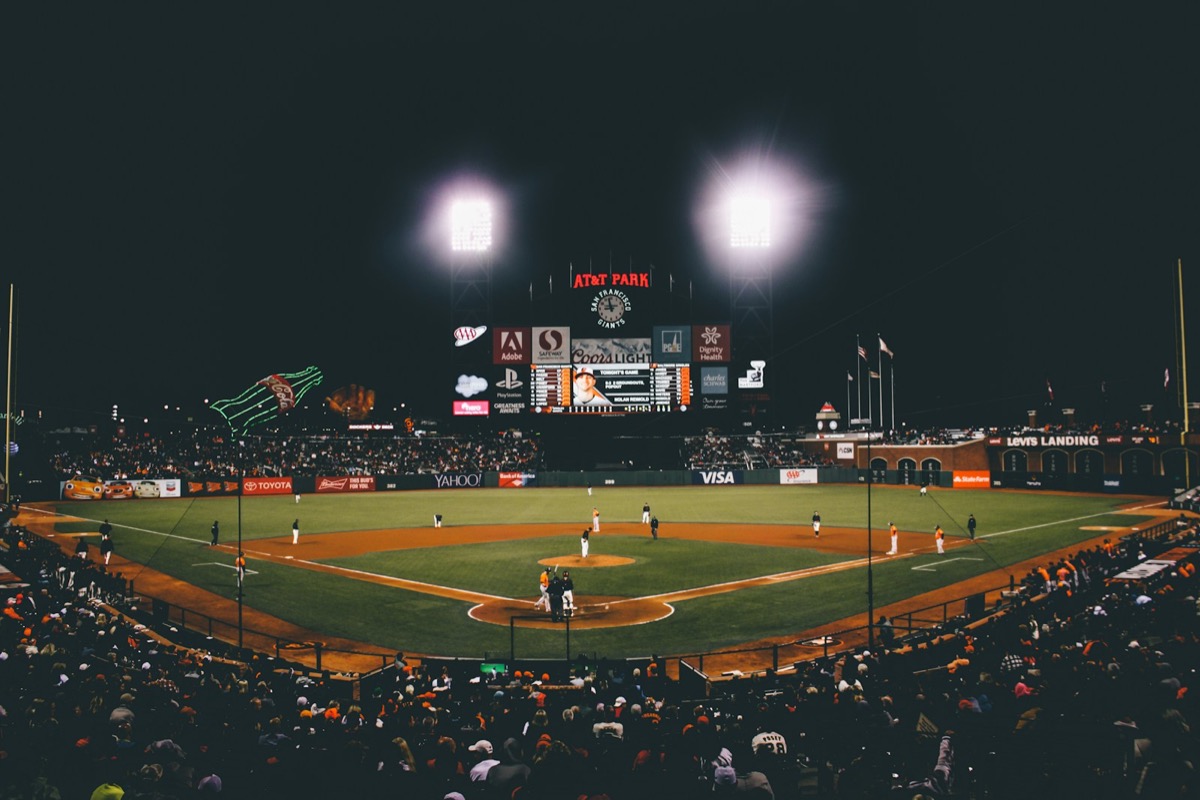
Long-lens vs wide-embedded

What

Two opposite languages. Long lens (300–600mm) from far: compressed, isolated, the safe spectator view. Wide-embedded from inches: expansive, distorted, the participant view.

How

Long lens = distance + shallow depth of field from the camera well. Wide-embedded = get physically inside the action with a wide lens and deep focus.

Why it works

Long lens is the grammar of broadcast (“I am watching this event”). Wide-embedded is the grammar of belonging (“I am inside this world”). Broadcast sells a game; insider sells a tribe.

Origin

Long lens = traditional wire photography; wide-embedded = skate/BMX/surf media.

The “how it felt vs how it looked” contrast — Quartersnacks ↗
07

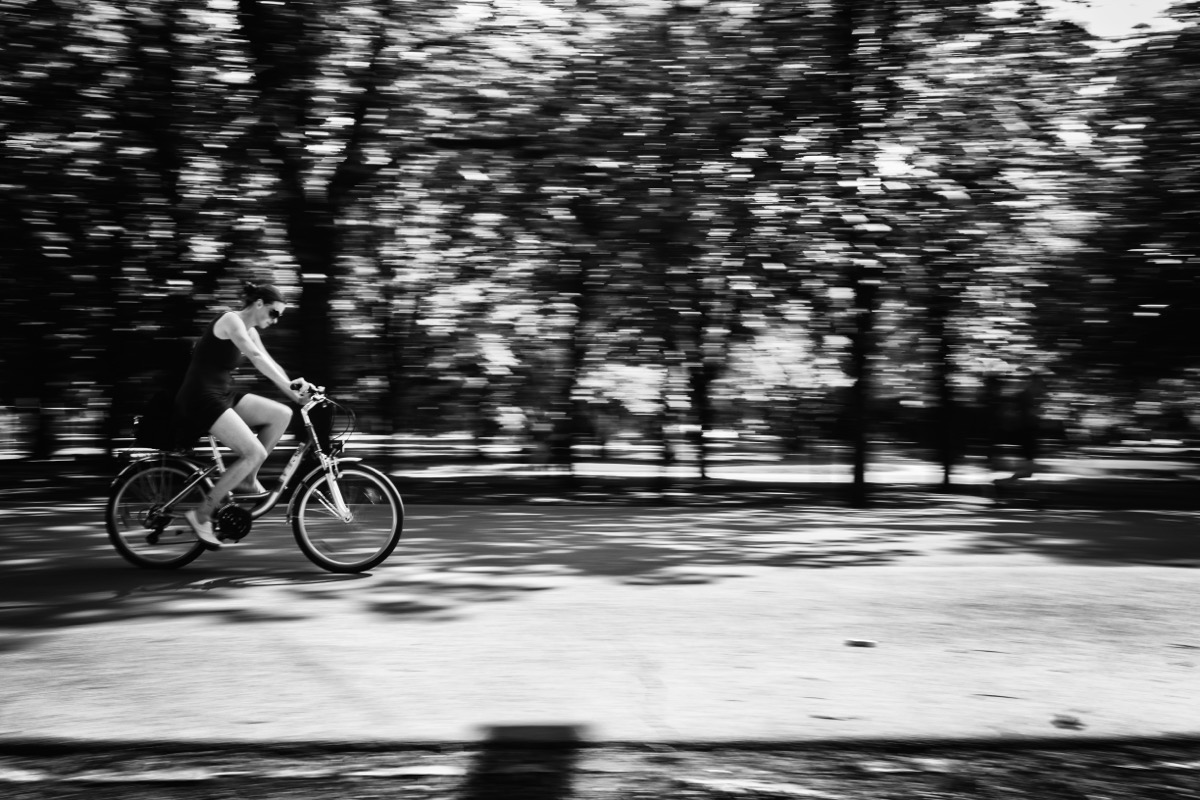
Blur, drag & panning

What

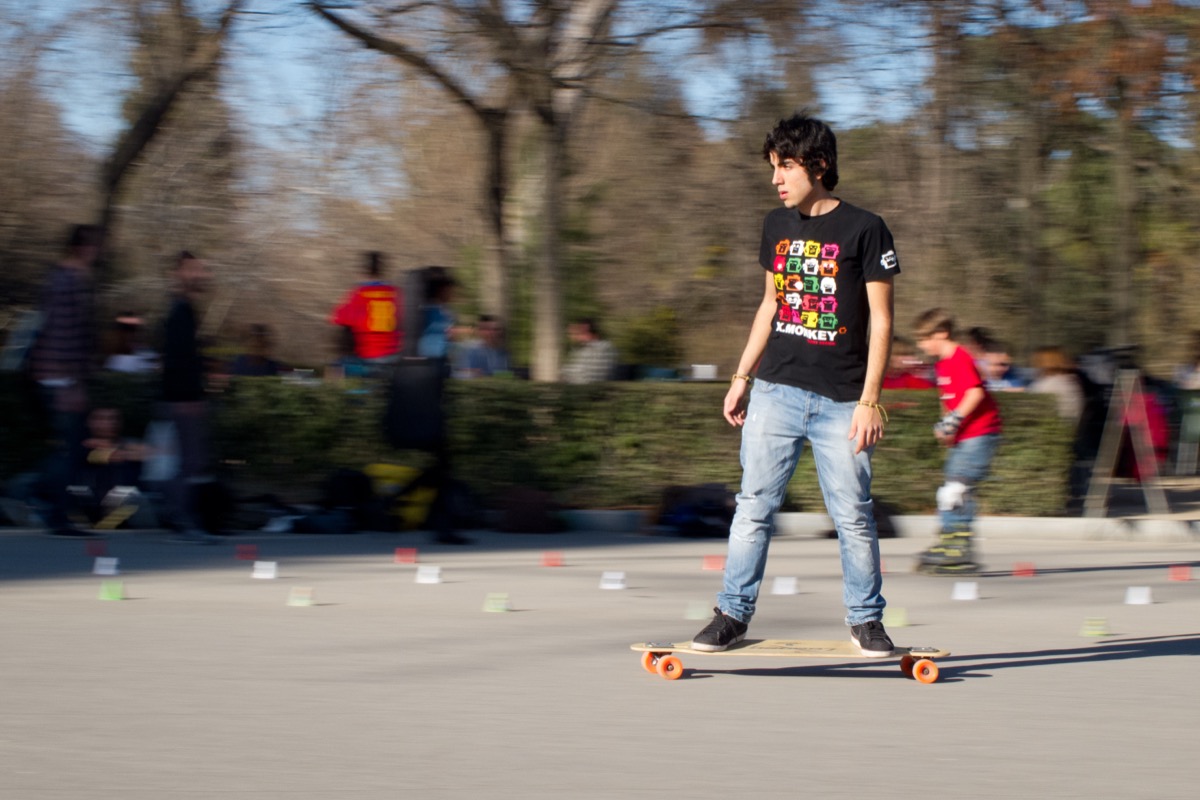
Motion encoded into the frame: panning (subject sharp, world smeared into speed-streaks), drag/blur of a limb or spinning board, light trails.

How

Slow shutter ~1/30–1/80s, follow the subject's motion through the exposure; matched speed keeps the subject partly sharp while the background dissolves.

Why it works

It mimics how the eye registers fast motion — a rush, not a freeze. A frozen shot says what; a panned shot says how fast, how hard. Emotion over documentation.

Origin

Motorsport/cycling/track photography; adopted across action sports and culture work.

Panning to convey speed — ProEDU ↗
08

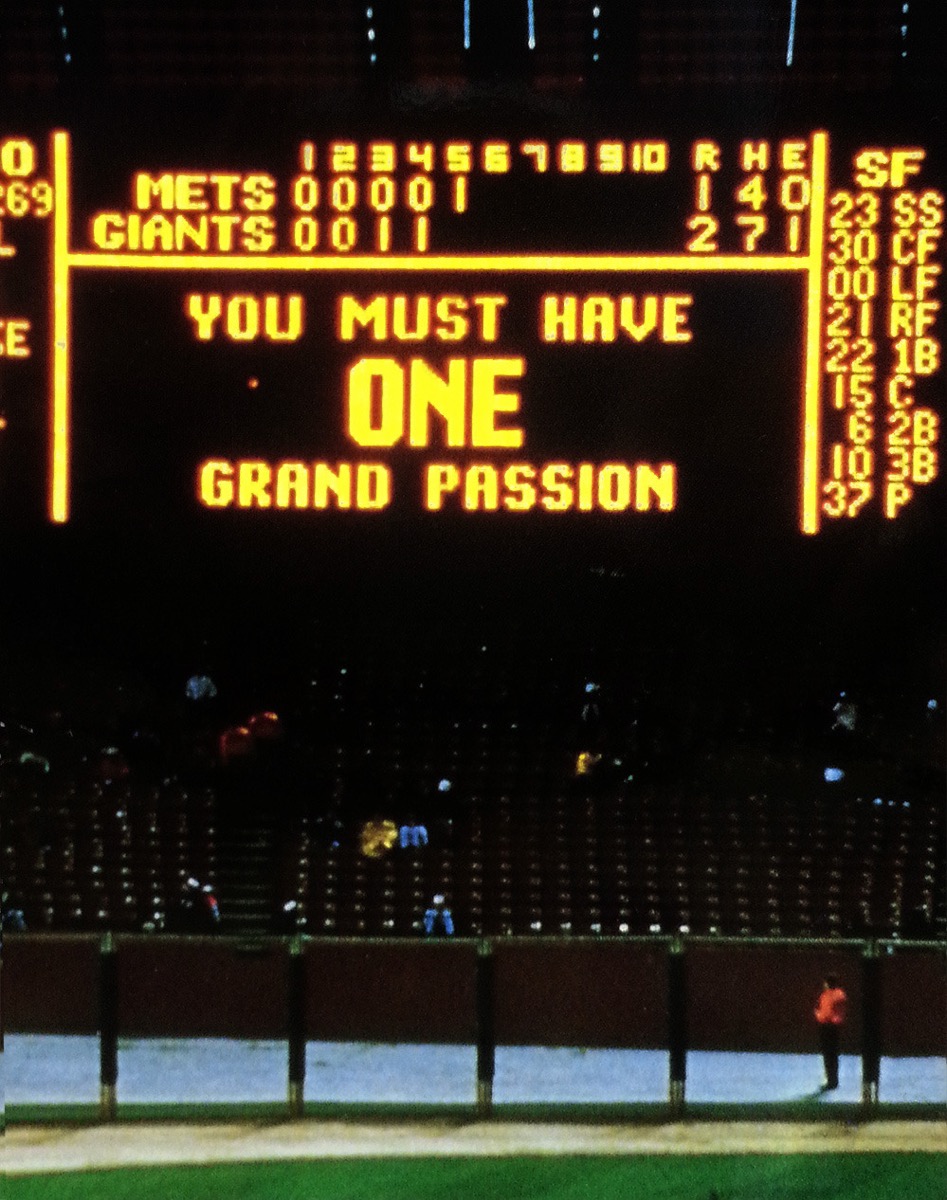
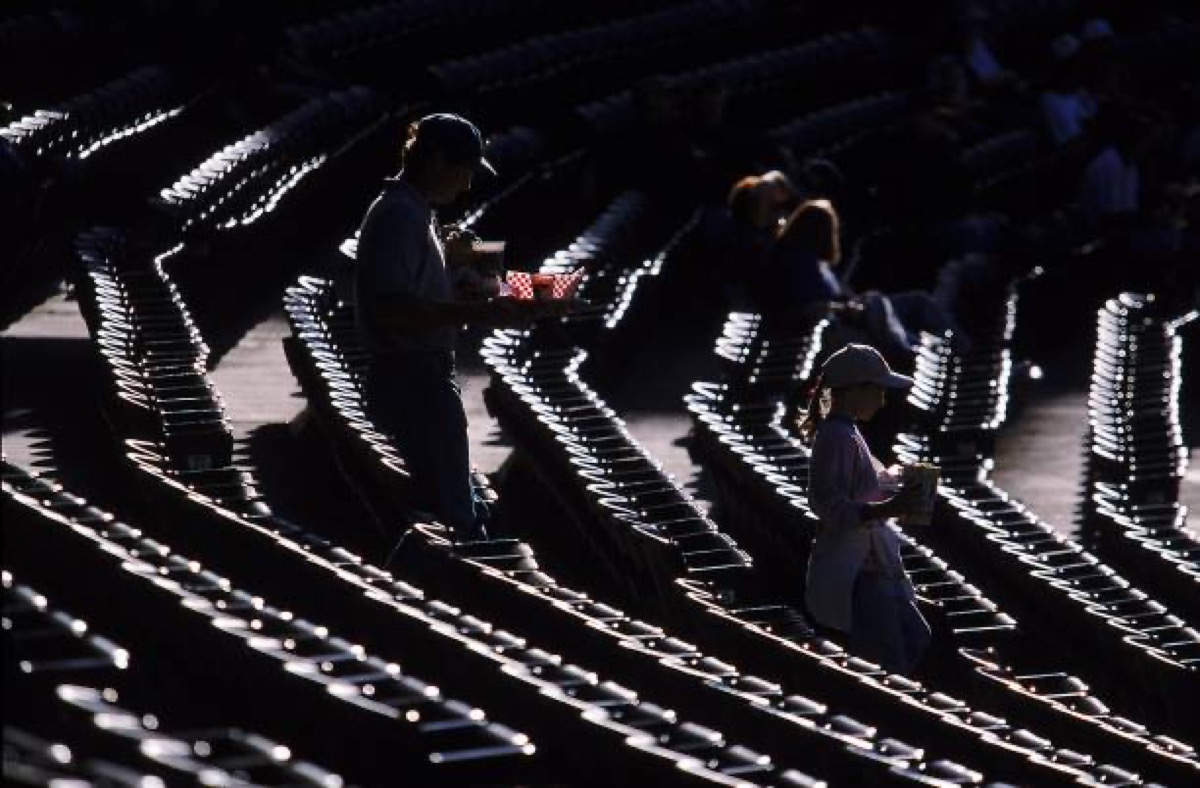
Photojournalistic candor

What

Not the posed hero — the real one. The tunnel walk, the exhale, the bench, the fan mid-scream, the missed trick, the dap. The moment around the moment.

How

Available light, long observation, fast reflexes, no direction. Shoot through the whole event, not just the peak. Decisive-moment discipline applied to sport and its edges.

Why it works

Posed = advertising; caught = truth. Audiences have total ad-literacy and discount the staged hero. The unguarded moment can't be faked, so it carries authenticity — and emotion is what people share.

Origin

Sports photojournalism (Leifer, Iooss) crossed with documentary street photography.

Capturing the soul of football culture — Lower Block ↗
09

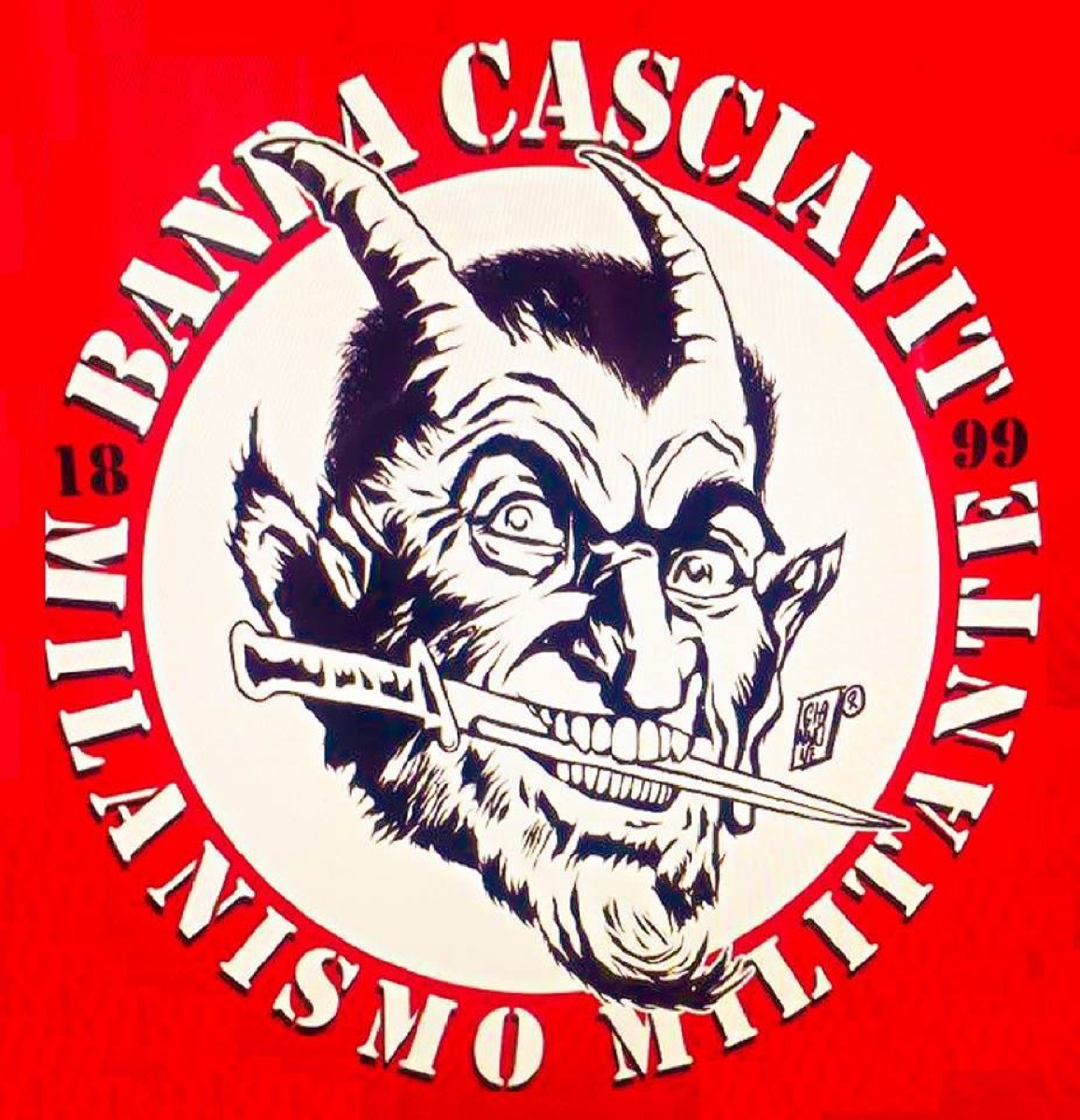
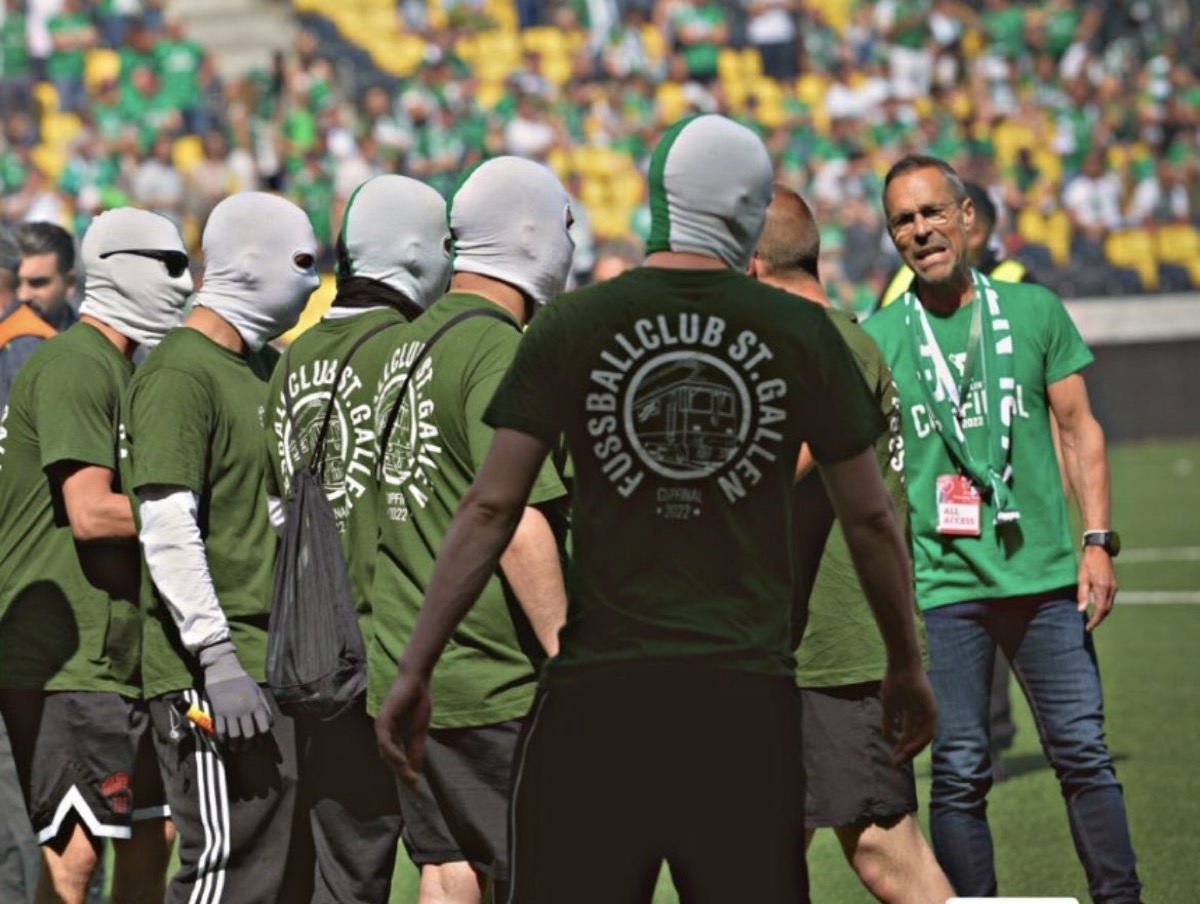
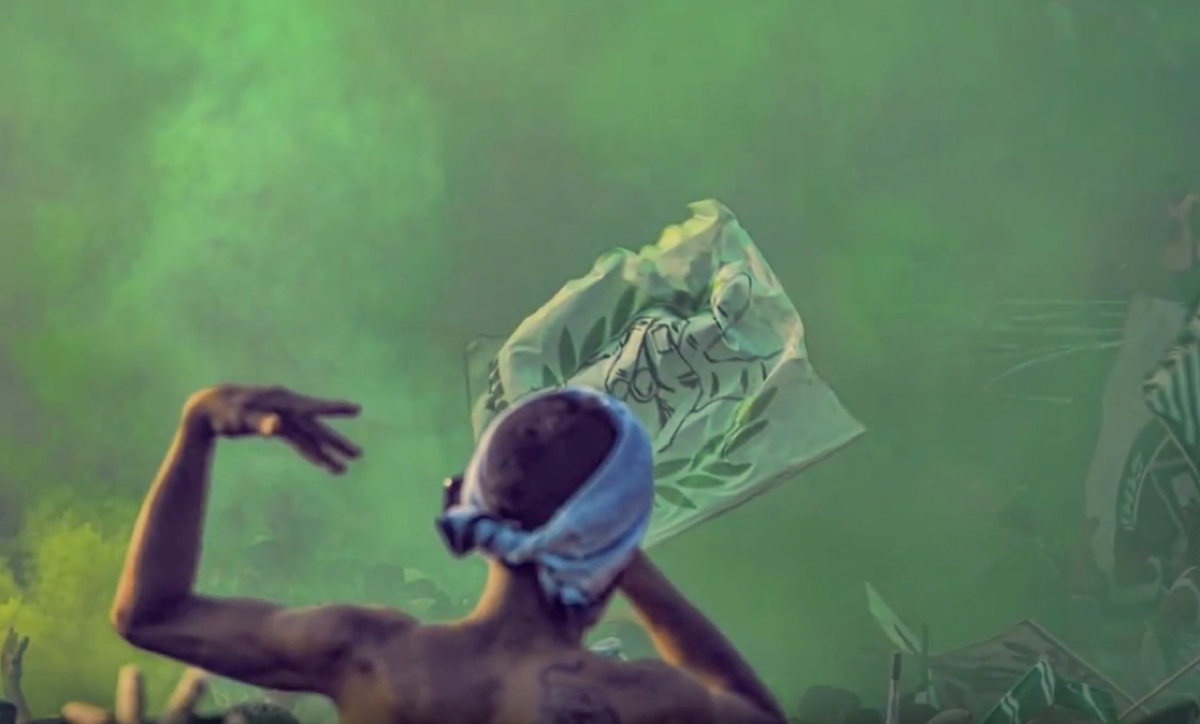
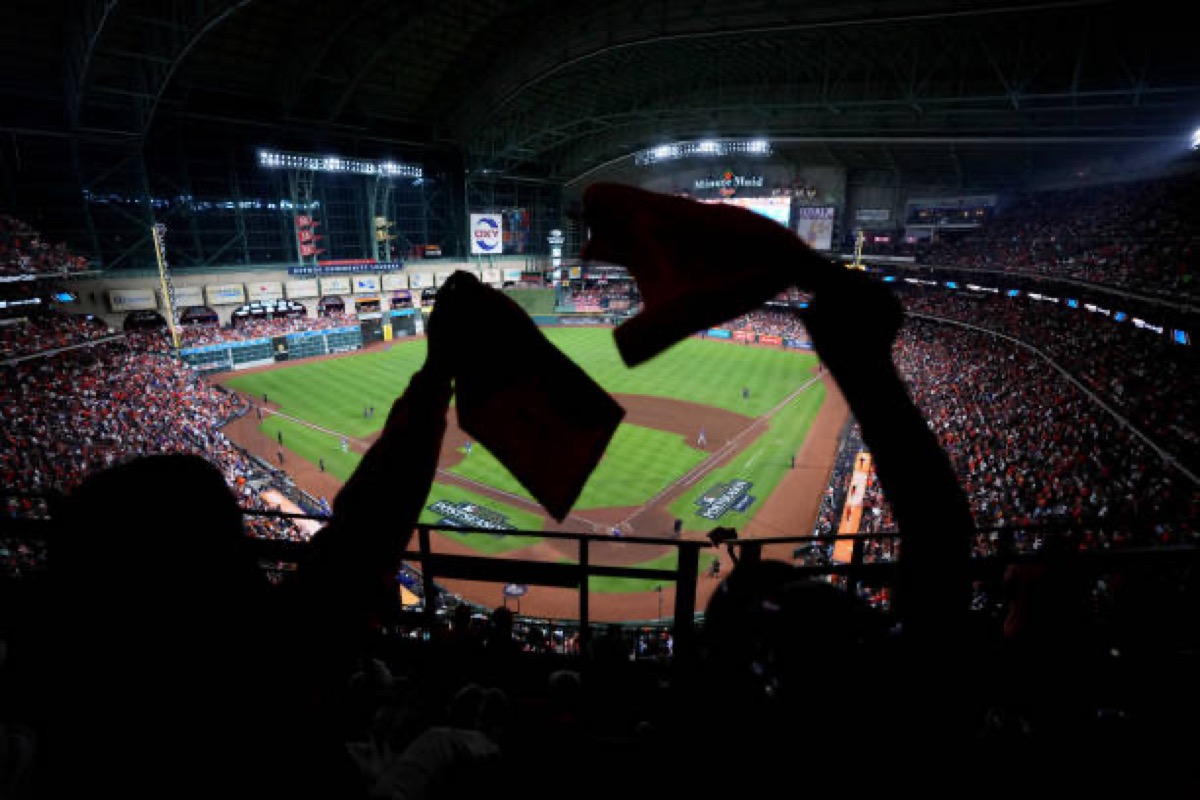
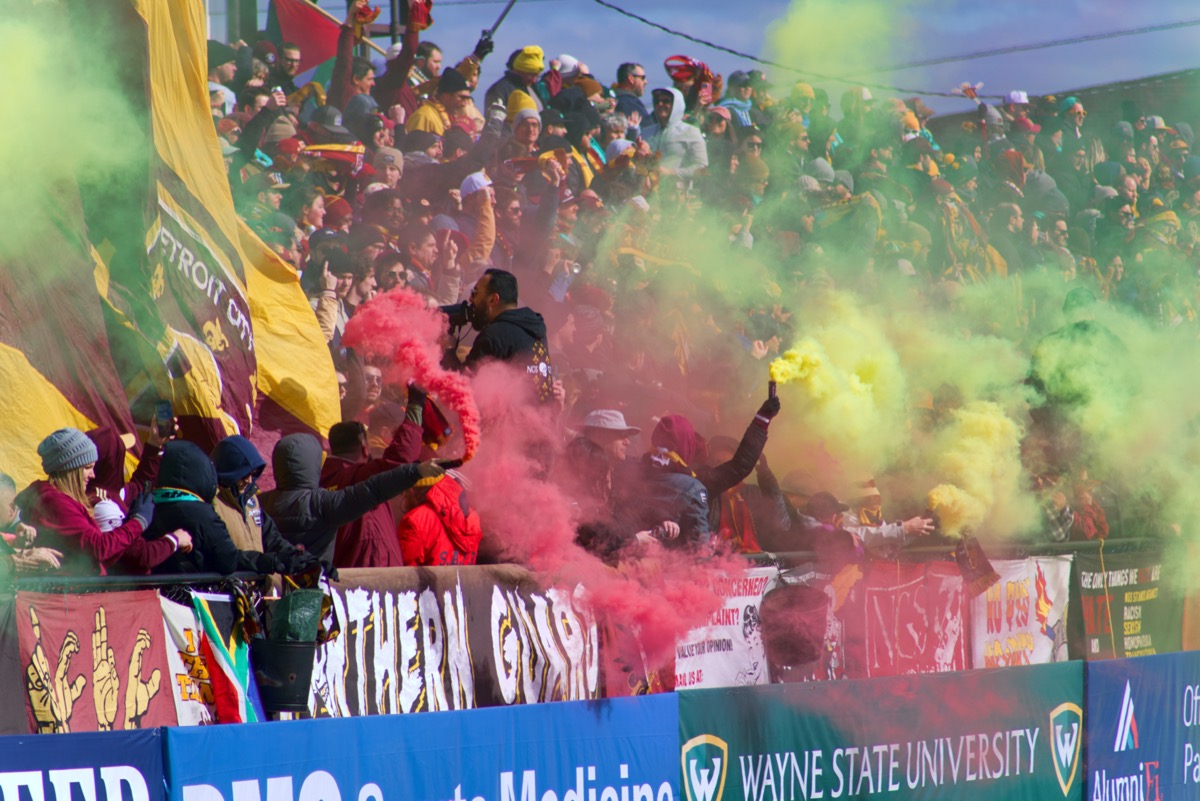
Terrace / ultras atmosphere

What

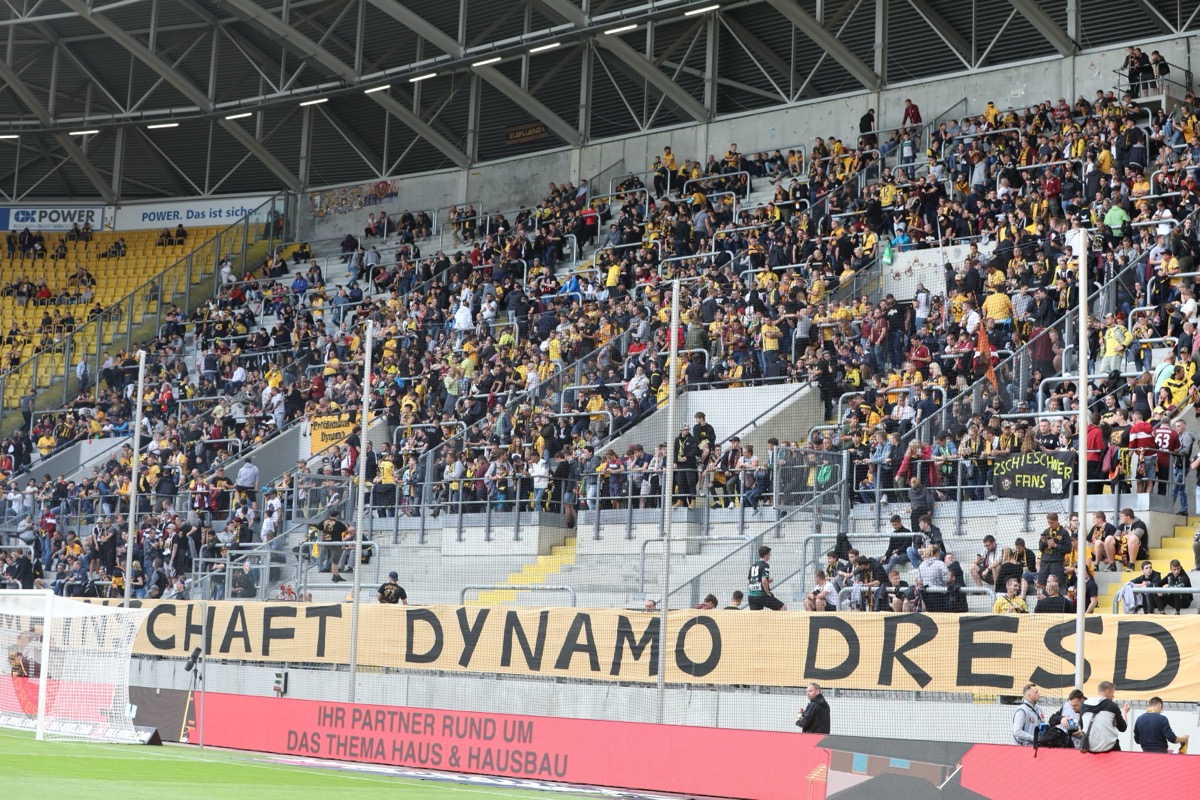
The crowd IS the photograph: flares and colored smoke, tifo choreography, scarves aloft, a wall of bodies moving as one. The athletes may not even be in frame.

How

Shoot from within the supporters' end, wide, at their level — smoke and bodies filling the frame, colored pyro doing the lighting. Density and chaos are the composition.

Why it works

It sells belonging to a collective — the single most powerful driver of fandom. The purest “tribe not advertising” image: the product is membership in this crowd, the shared ritual, the goosebumps.

Origin

Italian ultra culture; now MLS/US supporter groups. Documented by Lower Block, Danny Last.

Inside ultra culture & pyro — Lower Block ↗
10

VHS / handheld texture

What

Deliberately lo-fi motion texture: SD/VHS softness, handheld shake, date-stamps, dropped frames, grain, timecode, natural audio. The camcorder aesthetic.

How

Shoot or grade to look like consumer camcorder footage — keep the imperfections: bloomed highlights, autofocus hunts, a filmer's voice. Handheld, never gimbal-smooth.

Why it works

Lo-fi = un-produced = true. Because pristine 4K is now what brands shoot, roughness flipped to become the authenticity signal — a document made by an insider, not a marketing team.

Origin

VX1000-era skate videos; Places+Faces zines; the camcorder revival now standard in streetwear/music content.

Skate videography as cinéma vérité — Premiumbeat ↗

Why it all reads as tribe, not advertising

Built on the research — the concepts

The campaign system.

YOU'RE IN IT.

Broadcast puts you in front of the game. Buzzer puts you inside it — the angle, the seat, the conversation, the crowd you can't get anywhere else. And it does it with no noise: the one clear signal in a media world that's all static. Two research truths make it defensible: “fans are in Buzzer, not on it” = the wide-embedded / insider-POV stance; “all sports, no noise” = the anti-marketing / IYKYK wall.

Three faces of access you can't get elsewhere

The Angle

Unattainable shots · Giants

The view no ticket buys — impossible low/fisheye angles, god-scale athletes.

The Seat

The Blue Chair

A seat inside every moment — the one only Buzzer gives you.

The Conversation

Social graphics · comments

The talk that surrounds the game, made visible in-frame.

…all delivered through the optical system (signal-in-noise → focus) and framed by the mark. Angle, seat, conversation — found in focus, framed by Buzzer.

The seeds — developed

A1

Signal in the Noise

Noisy / blurred frame; the Buzzer mark knocked out of the highlights as the calm signal within the static.

no-noise + blur technique
A2

Focus — “Find it in Buzzer”

Subject sharp, world blurred; the shape is the aperture that reveals it. Curation as an optical effect.

wide-embedded focus + scoped intimacy
A3

The Unattainable Angle = the Content

Impossible low/fisheye angles, framed as the access Buzzer gives — creators, commentary, the story outside the game.

fisheye thesis + community-as-product
A4

The Blue Chair

A blue chair, varied styles, placed impossibly inside real moments — your seat, the one only Buzzer gives. IYKYK, and the campaign's ownable object.

IYKYK restraint + “fans are in Buzzer”
A5

Social Graphics Around the Athlete

Buzzer's comment/UI language orbiting a raw hero photo — the conversation made visible. A few sharp lines, never clutter.

comments-undefeated + repost economy
A6

The Mark as Framing Device

Every asset composed inside the shape until the shape alone means Buzzer. The connective tissue of the whole system.

shape-as-portal + logo-as-membership
A7

Giants in the City

God-scale Rangers leaning on / walking through DFW, extreme low angle, framed by the mark. Larger than life.

low-angle monument + “elevate like Nike”

The widen — pulled from the research

B1

The Drop

Every game unlocks a time-boxed in-app moment; the OOH teaches the ritual. Turn the schedule into a Supreme drop.

drop-as-ritual
B2

The DFW Treasure Hunt

Coded OOH (a clue + the mark, no explanation) sends fans to a launch-day location drop near Globe Life Field. The city becomes the campaign.

guerrilla location drops
B3

The Locked Room

Under-explain: cryptic “No noise.” OOH + an invite-only beta so joining feels like initiation. The restraint is the ad.
anti-marketing mystique + IYKYK
B4

Red Smoke

Fans elevated into terrace/ultras grammar — a wall of Rangers-red smoke and bodies from inside the crowd. Join the tribe, don't watch the game.

ultras/terrace technique
B5

You Were There

A lo-fi sub-campaign — flash-grain / VHS / handheld tailgate, tunnel, dogpile — captioned like a found memory. The house texture that travels team-to-team.

flash-grain + VHS + candor
B6

The Comment That Called It

One real prophetic fan comment blown to stadium scale. Celebrates the armchair-analyst identity.

fandom research
B7

Weather-Reactive AC Board

Dynamic OOH: “104° OUTSIDE. 72° WHERE THE RANGERS PLAY.” Refreshes daily, deeply Texan, pure wry.

insider/meme research
B8

“That's The Way Baseball Go”

Ron Washington's koan in heavy type, framed by the mark. Die-hard IYKYK. Companion: “Technically, Arlington.”

insider lore + wry territory

The three-territory cut

Loud / Supreme

A1 Signal-in-Noise · A6 Mark-as-frame · B1 Drop · B8 heavy-type lines. Big, electric, restraint-as-power.

Nike / Cinematic

A3 Unattainable angle · A7 Giants · B4 Red smoke · A2 Focus. Monumental, emotional, “you're in it.”

Wry / Witty

A4 Blue chair · A5 Social graphics · B6 Comment-that-called-it · B7 Weather board. A knowing wink.

Every territory carries the same platform (you're in it) and the same frame (the mark) — the exploration reads wide but coheres into one system. Recommended first comps for the WIP: A4 Blue Chair (wry, ownable), A3/A7 Unattainable Giant (cinematic), A1 Signal-in-Noise (loud) — all framed by A6. Full detail in CONCEPT-SYSTEM.md.